← Back to Ingredients
Earth's First Foods — Catalysts

Active Enzymes

Amylase · Protease · Lipase · Cellulase

A full-spectrum enzymatic matrix that ensures absolute breakdown and assimilation of macronutrients. Modern cooked diets, chronic stress, and aging all suppress your endogenous enzyme production — leaving even nutrient-dense meals only partially absorbed.

Active Enzymes
What they are

The catalysts that turn food into usable nutrients.

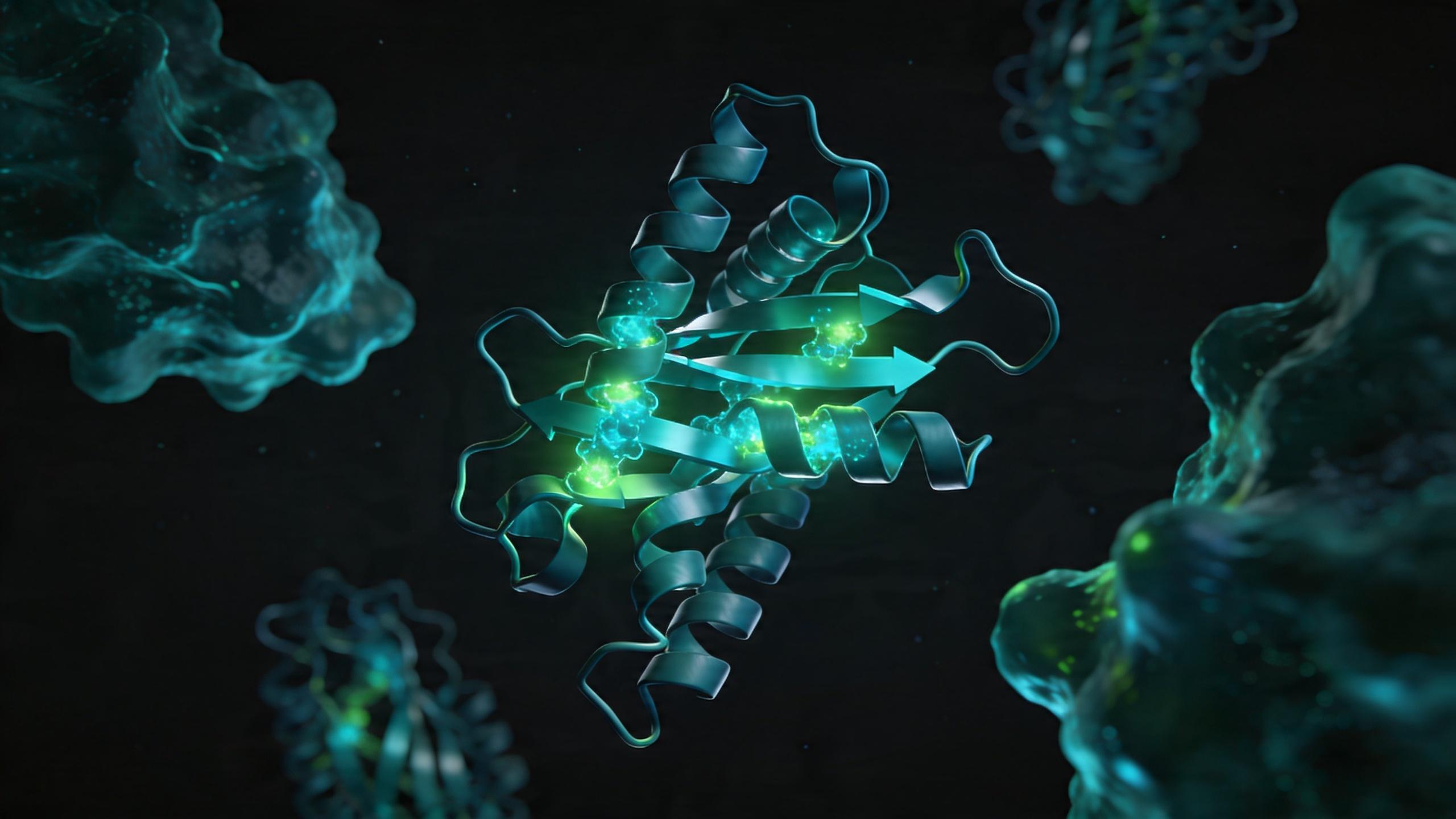
Enzymes are proteins that act as catalysts — they make biological reactions possible at body temperature. In digestion, enzymes break large macronutrient molecules (proteins, fats, carbohydrates, fiber) into the small absorbable units (amino acids, fatty acids, simple sugars) your body actually uses.

Without adequate enzyme activity, food sits in the digestive tract longer than it should — fermenting, putrefying, and creating the bloating, heaviness, and inflammation many people experience after meals.

The four primary enzymes

Amylase

Carbohydrates

Breaks starches and complex sugars into glucose

Protease

Proteins

Breaks protein chains into absorbable amino acids and peptides

Lipase

Fats

Breaks triglycerides into fatty acids and glycerol for absorption

Cellulase

Fiber

Breaks down plant cell walls (humans lack this enzyme natively)

Why your output declines

Cooking, stress, and aging all suppress endogenous enzyme production.

Cooking. Heat denatures the natural enzymes present in raw food, forcing your body to produce 100% of digestive enzymes endogenously rather than getting some help from what you ate.

Stress. The sympathetic nervous system reduces blood flow to the digestive organs, including the pancreas, which is the primary enzyme production center. Chronic stress = chronic enzyme insufficiency.

Aging. Pancreatic enzyme output measurably declines with age. By 60, many people produce significantly less digestive enzyme than they did at 30 — even with no change in diet.

Why supplementation helps

Supplemental enzymes are the only intervention that directly fills the gap.

Probiotics rebuild flora. Fiber feeds the microbiome. But neither of those address the upstream problem: macronutrients arriving in the gut already incompletely broken down. Supplemental enzymes work in the small intestine — exactly where pancreatic enzymes are supposed to be doing the work — and fill the deficit directly.

Pair enzymes with probiotics for full digestive coverage: enzymes handle the breakdown, probiotics handle the balance.

Find Active Enzymes in

Stop wasting your food.

If you're eating well but still feeling heavy after meals, the missing variable is usually enzymatic. Enzymes complete the digestive picture.

Shop the Gut Performance Bundle